
Table of Contents
ToggleMen’s wellness trends 2026 are shaping up to redefine how men approach their physical and mental health. The days of “tough it out” culture are fading fast. In their place? A smarter, more data-driven approach to feeling good and performing better.
This year brings a shift toward personalization, recovery, and mental well-being. Men are no longer satisfied with generic fitness advice or one-size-fits-all diets. They want solutions that fit their bodies, their schedules, and their goals.
From wearable tech that tracks every heartbeat to sleep protocols that actually work, 2026 promises real progress. Here’s what men should watch for in the year ahead.
Key Takeaways
- Men’s wellness trends 2026 prioritize personalization, with wearable tech and AI-powered coaching helping men make data-driven health decisions.
- Mental health is no longer taboo—therapy apps, breathwork, and open conversations about anxiety and burnout are now mainstream among men.
- Functional fitness focused on mobility, strength, and injury prevention is replacing purely aesthetic workout goals.
- Gut health optimization through probiotics, fermented foods, and personalized nutrition plans is linked to improved mood, energy, and immune function.
- Sleep is now treated as a performance advantage, with men using tracking tools, sleep hygiene practices, and targeted supplements to optimize rest.
- Recovery protocols like cold plunges, saunas, and compression therapy have become as important as the workouts themselves.
Personalized Health Through Wearable Technology
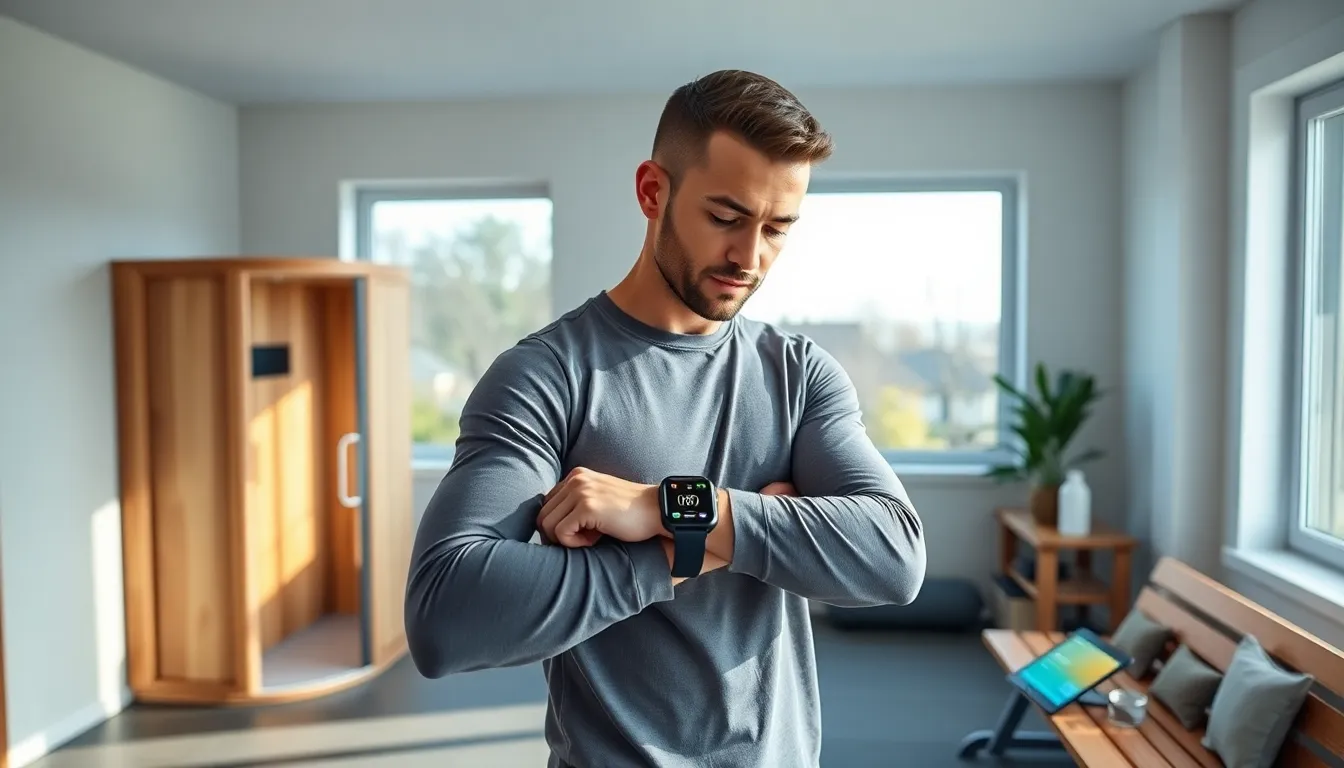
Wearable technology continues to reshape men’s wellness trends 2026. Smart rings, advanced fitness watches, and biometric patches now deliver real-time health data straight to a smartphone. This isn’t just step counting anymore.
Today’s wearables track heart rate variability, blood oxygen levels, stress markers, and even glucose responses. Men can see exactly how their bodies react to workouts, meals, and sleep. That data drives better decisions.
The big shift in 2026? AI-powered coaching built into these devices. Wearables now analyze patterns and offer specific recommendations. A device might suggest an earlier bedtime based on recovery scores or recommend a lighter workout day after detecting elevated stress hormones.
Continuous glucose monitors (CGMs) have moved beyond diabetic care. Health-conscious men now use them to understand how different foods affect their energy and focus. This level of insight was impossible just a few years ago.
Personalization matters because every man’s body responds differently. What works for one person may drain another. Wearable tech removes the guesswork and puts men in control of their own health data.
Mental Health Takes Center Stage
Mental health has become a priority in men’s wellness trends 2026. The stigma around therapy and emotional well-being continues to fade. More men now talk openly about anxiety, depression, and burnout.
Therapy apps and digital mental health platforms have seen record adoption rates among men aged 25-45. These tools offer convenient access to licensed therapists, mood tracking, and guided exercises. Privacy concerns that once held men back have lessened as platforms improve their security.
Breathwork and meditation apps are no longer seen as “soft” options. Elite athletes and executives openly credit these practices for improved focus and stress management. Men are following their lead.
Workplace wellness programs now include mental health days and stress management resources. Companies recognize that burned-out employees don’t perform well. Men benefit from this cultural shift.
The conversation around men’s mental health has changed. Asking for help is now seen as strength, not weakness. This mindset shift represents one of the most important men’s wellness trends 2026 has to offer.
Functional Fitness and Recovery-Focused Training
Functional fitness dominates men’s wellness trends 2026. Men are moving away from purely aesthetic goals toward training that improves daily life. The focus is on strength, mobility, and injury prevention.
Movements like deadlifts, squats, and carries build practical strength. These exercises help men lift heavy objects, play with their kids, and stay active as they age. Looking good becomes a byproduct, not the main goal.
Recovery has earned equal billing with training itself. Men now understand that muscles grow during rest, not during workouts. Cold plunges, percussion massage guns, and compression therapy have gone mainstream.
Saunas and infrared therapy are showing up in home gyms. Research supports their benefits for muscle recovery, circulation, and even mental clarity. Men are investing in recovery tools the way they once invested in weights.
Mobility work receives more attention too. Stretching routines and yoga classes designed for men address tight hips, stiff shoulders, and lower back pain. These issues plague men who sit at desks all day.
The smartest approach combines hard training with intentional recovery. Men who embrace both see better results and fewer injuries.
Gut Health and Nutrition Optimization
Gut health has moved to the forefront of men’s wellness trends 2026. Scientists now link the gut microbiome to immune function, mood, energy levels, and even body composition. Men are paying attention.
Probiotic and prebiotic supplements have surged in popularity. Fermented foods like kimchi, sauerkraut, and kefir appear more frequently in men’s diets. These foods feed beneficial gut bacteria.
Personalized nutrition plans based on blood work and DNA testing have become more accessible. Men can now discover their ideal macronutrient ratios, food sensitivities, and nutrient deficiencies. This information guides smarter eating choices.
Protein intake remains important, but men are thinking beyond just hitting a daily number. Protein quality and timing matter. Spreading protein throughout the day supports muscle synthesis better than loading up at dinner.
Sugar reduction continues as a major focus. Men recognize that excess sugar drives inflammation, weight gain, and energy crashes. Natural alternatives and low-sugar products fill the gap.
The connection between gut health and mental health, the gut-brain axis, has captured attention. Men report improved mood and reduced anxiety after optimizing their diets. Food truly becomes medicine when approached correctly.
Sleep Science and Performance Rest
Sleep optimization stands out among men’s wellness trends 2026. High performers now treat sleep as a competitive advantage rather than a sign of laziness. The science backs them up.
Poor sleep tanks testosterone levels, impairs muscle recovery, and clouds decision-making. Men who sleep badly age faster and gain weight more easily. These facts have shifted attitudes.
Sleep tracking has become standard. Wearables monitor sleep stages, disturbances, and overall quality. Men use this data to identify problems and measure improvements.
Sleep hygiene practices have gone mainstream. Temperature control, light blocking, and consistent schedules form the foundation. Many men now keep their bedrooms cool and dark, removing phones and screens entirely.
Supplements like magnesium, glycine, and apigenin have gained popularity for sleep support. These compounds help men fall asleep faster and achieve deeper rest without the grogginess of traditional sleep aids.
The eight-hour sleep goal has become more flexible. Some men thrive on seven hours while others need nine. Tracking helps each person find their optimal number. Quality matters as much as quantity.


