
Table of Contents
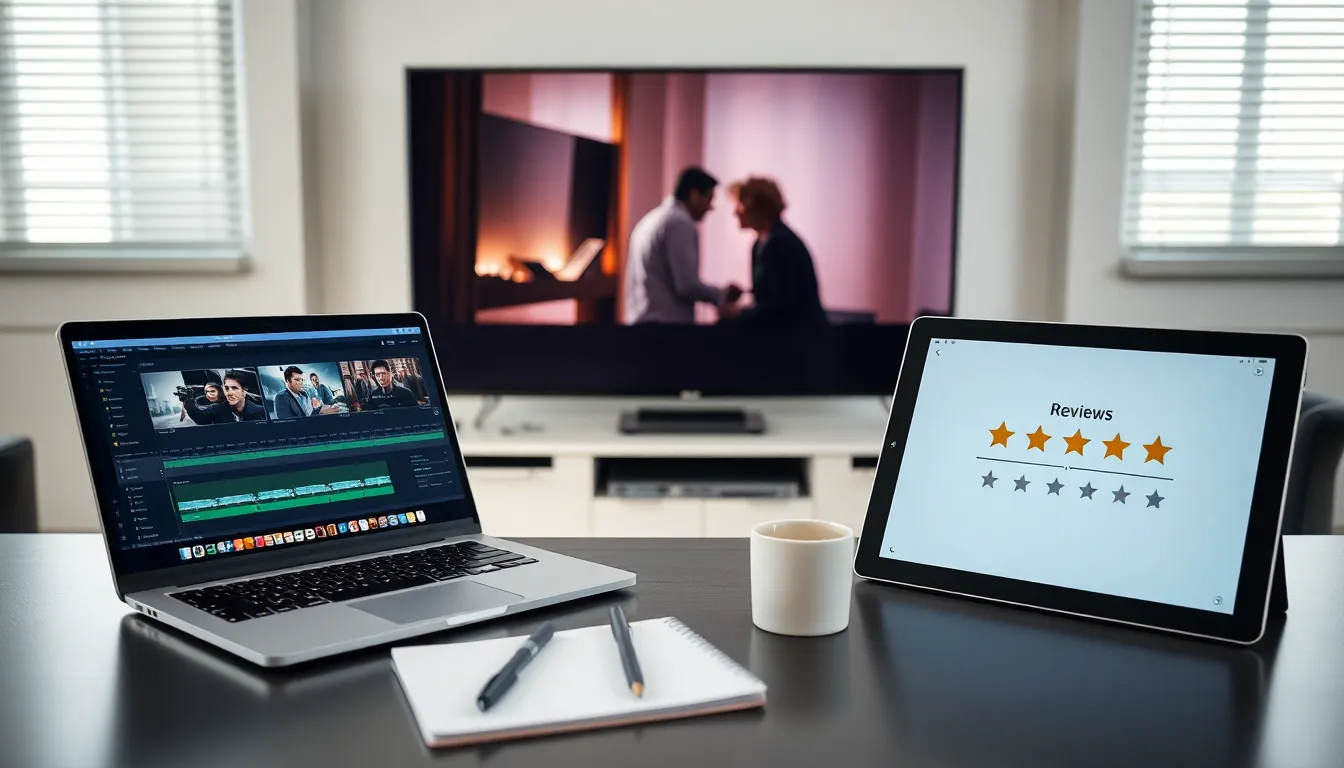
ToggleMovie breakdowns vs. movie reviews, what’s the difference, and why does it matter? Both formats analyze films, but they serve distinct purposes. A breakdown dissects a movie’s technical and narrative elements. A review offers an opinion on whether a film is worth watching. Understanding these differences helps viewers choose the right content for their needs. This guide explains what separates movie breakdowns from movie reviews and when each format proves most useful.
Key Takeaways
- Movie breakdowns vs. movie reviews serve different purposes: breakdowns educate about filmmaking craft, while reviews help you decide what to watch.
- Watch reviews before seeing a film to determine if it matches your taste, and save breakdowns for after viewing to deepen your appreciation.
- Breakdowns analyze technical elements like cinematography, editing, and sound design without necessarily judging a film’s quality.
- Reviews typically avoid spoilers and appear around release dates, while breakdowns assume you’ve seen the film and can arrive years later.
- Film students and aspiring creators benefit most from breakdowns, while casual viewers seeking entertainment recommendations should prioritize reviews.
- The best approach combines both formats—use reviews for viewing decisions and breakdowns to understand why your favorite films work so well.
What Is a Movie Breakdown?
A movie breakdown is a detailed analysis of a film’s construction. It examines how a movie works rather than whether it succeeds or fails as entertainment.
Breakdowns focus on specific elements like cinematography, editing, sound design, screenplay structure, and directorial choices. They answer questions like: Why did the director use that camera angle? How does the color palette reinforce the theme? What makes this scene’s editing so effective?
Film students, aspiring filmmakers, and cinema enthusiasts gravitate toward movie breakdowns. These analyses teach viewers to see films differently. They reveal the craft behind memorable scenes and explain techniques that casual viewers might miss.
A breakdown of “Inception,” for example, might explore Christopher Nolan’s use of practical effects, the layered timeline structure, or Hans Zimmer’s score choices. It wouldn’t necessarily say whether the movie is good or bad, that’s not the point.
Movie breakdowns often contain spoilers by necessity. Analyzing a plot twist requires discussing that twist openly. Most breakdown creators assume their audience has already seen the film. The goal is deeper understanding, not purchase guidance.
Popular YouTube channels like Every Frame a Painting, Lessons from the Screenplay, and Nerdwriter have built large audiences around movie breakdowns. These creators treat films as texts worthy of serious study.
What Is a Movie Review?
A movie review evaluates a film’s quality and provides a recommendation. It answers one central question: Should someone watch this movie?
Reviewers assess multiple aspects, acting, story, pacing, visuals, and emotional impact. They combine these observations into an overall judgment. Most reviews include a rating system, whether stars, letter grades, or numerical scores.
Movie reviews serve consumers making viewing decisions. Someone scrolling through Netflix at 9 PM wants to know if a film is worth two hours of their time. A review provides that answer quickly.
Good reviews balance subjective opinion with objective observation. A reviewer might dislike horror films personally but still recognize when a horror movie achieves its goals effectively. The best reviewers explain their reasoning rather than simply declaring thumbs up or down.
Movie reviews typically avoid major spoilers. They discuss premise, tone, and general quality without revealing plot twists or endings. This approach respects readers who haven’t seen the film yet.
Professional critics at publications like The New York Times, Variety, and IndieWire write traditional reviews. So do countless bloggers, YouTubers, and Letterboxd users. The format remains popular because it serves a clear purpose: helping people decide what to watch.
Reviews often appear around a film’s release date. Timeliness matters because audiences make viewing decisions during theatrical runs or streaming debuts.
Core Differences Between Breakdowns and Reviews
Movie breakdowns vs. movie reviews differ in purpose, audience, timing, and approach. Understanding these distinctions clarifies when each format proves valuable.
Purpose
Breakdowns educate. They teach viewers about filmmaking craft and storytelling techniques. Reviews inform purchasing decisions. They help audiences choose what to watch.
Audience
Breakdowns attract film students, aspiring creators, and serious cinema fans. These viewers want to understand movies at a deeper level. Reviews target general audiences seeking entertainment recommendations. They need quick guidance, not academic analysis.
Spoiler Approach
Breakdowns assume viewers have seen the film. Spoilers are necessary for meaningful analysis. Reviews protect plot details. They discuss films without ruining surprises.
Timing
Reviews appear at release time when audiences make viewing decisions. Breakdowns can arrive months or years later. A breakdown of “The Godfather” published in 2024 still provides value because its educational purpose remains relevant.
Judgment vs. Analysis
Reviews render verdicts. They tell audiences whether a movie succeeds or fails. Breakdowns explain how films work without necessarily judging quality. A breakdown might analyze a technically brilliant scene in an otherwise mediocre movie.
Length and Depth
Breakdowns tend to run longer and focus narrowly on specific elements. A 20-minute video might examine only one scene’s cinematography. Reviews cover entire films more briefly, touching multiple aspects without deep dives.
Both formats share common ground. They require film knowledge, clear communication, and genuine engagement with cinema. Many creators produce both breakdowns and reviews, switching formats based on what each film deserves.
When to Watch a Breakdown vs. a Review
Choosing between movie breakdowns vs. movie reviews depends on what someone needs at that moment.
Watch a review before seeing a film. Reviews help audiences decide whether a movie matches their taste. They provide enough context to make informed choices without spoiling the experience. Someone wondering whether to see the latest Marvel release benefits from a review.
Watch a breakdown after seeing a film. Breakdowns enhance appreciation for movies already watched. They reveal details missed on first viewing and explain why certain scenes felt so powerful. Someone who loved “Parasite” and wants to understand Bong Joon-ho’s techniques benefits from a breakdown.
Film students should prioritize breakdowns. These analyses build practical knowledge about cinematography, editing, and storytelling. Watching breakdowns teaches skills that improve one’s own creative work.
Casual viewers might prefer reviews exclusively. Not everyone wants academic analysis of cinema. Reviews serve the practical need of finding good entertainment without requiring deeper engagement.
Some viewers enjoy both formats at different times. They check reviews before watching, then seek breakdowns afterward to extend the experience. This approach maximizes what each format offers.
The best strategy matches format to intention. Ask: Do I want help deciding what to watch, or do I want to understand a film I’ve already seen? The answer determines which content type serves that need.


